Marrakech: Flirting with the red city

Marrakech, Morocco * November 2014 * 35mm

Photographing a city requires a generous amount of foreplay. I spend days, weeks, months learning the layers of someplace new before I am confident enough to flash my camera. I am terrified of taking even one photo that could be put in a box labelled “stereotype” or “tourist”. Of offending a people, a culture by making a spectacle of them. And of me. If a city has not invited me into her boudoir, I have not earned the right to photograph her. And often I won’t take a single shot for precisely that reason. Flirting with boys is easier than flirting with new languages, new roads, new impressions and new ways of blending in. Cities make me flush in ways I never knew I could.

So when I piggybacked onto my sister’s work trip to Marrakech, my heart was a flutter. Morocco has been on my top destination list ever since I discovered daybeds and rose water. And I would have only seven days to present myself to this magical place.

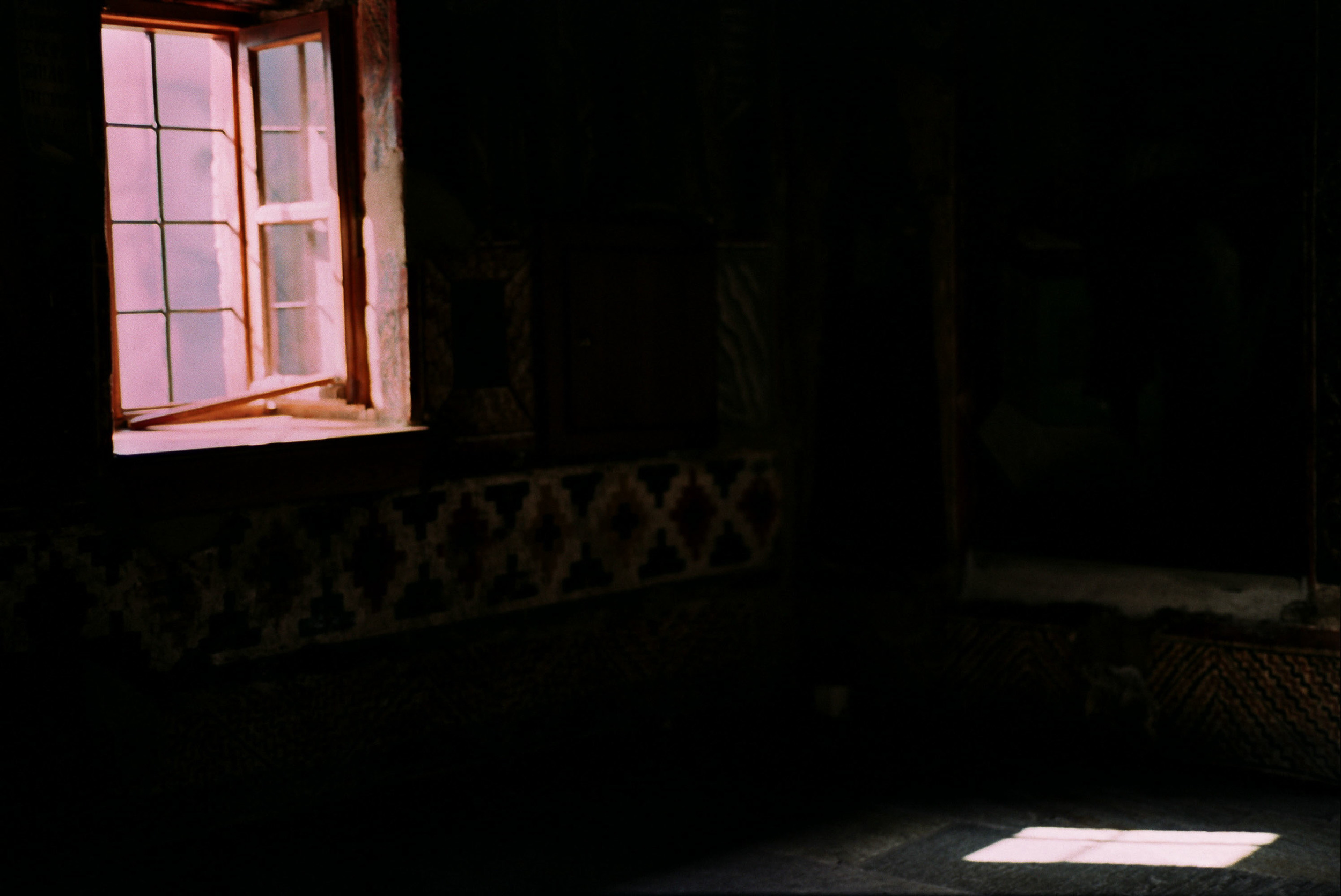
These images are a glimpse into Marrakech. The bulk of my experience—counting intricate archways, dodging scooters in the medina’s labyrinth, drinking orange blossom almond milk, discovering artist Hassan Hajjaj’s hideaway riad, dreaming half awake through the call to prayer at dawn, sipping copious amounts of mint tea, navigating the souk by smell of cinnamon—was impossible to capture on my inaugural courtship of Morocco.

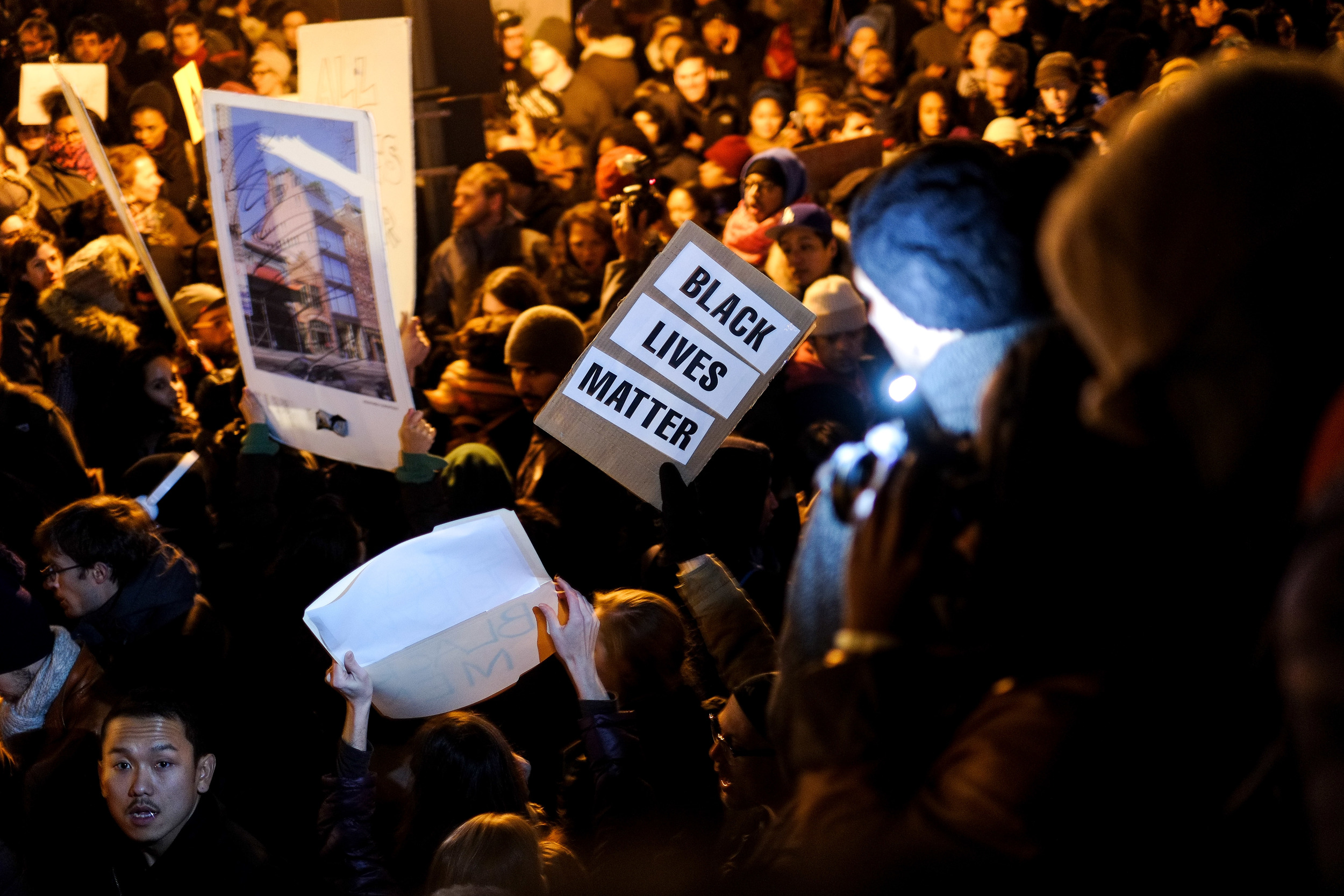
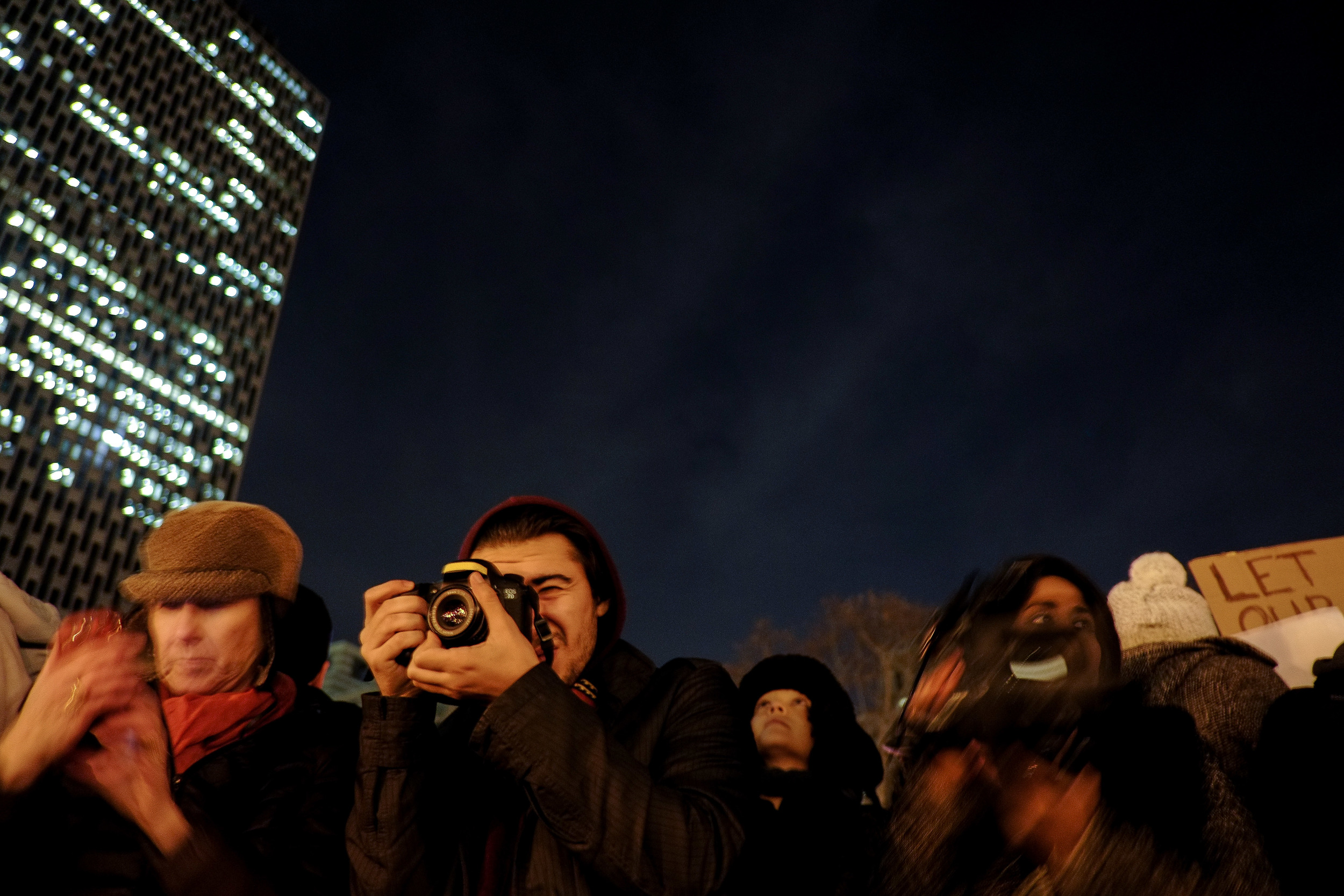
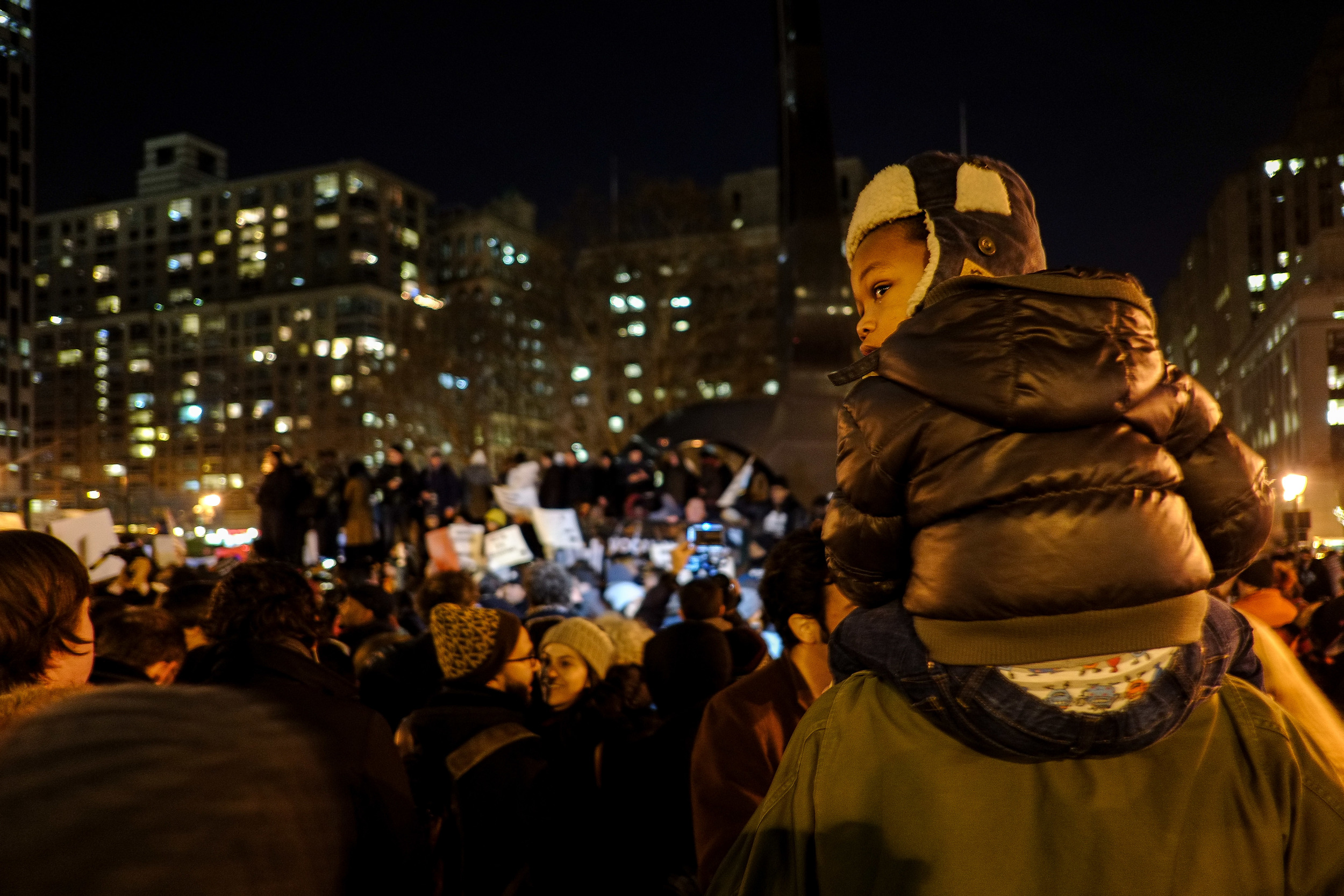
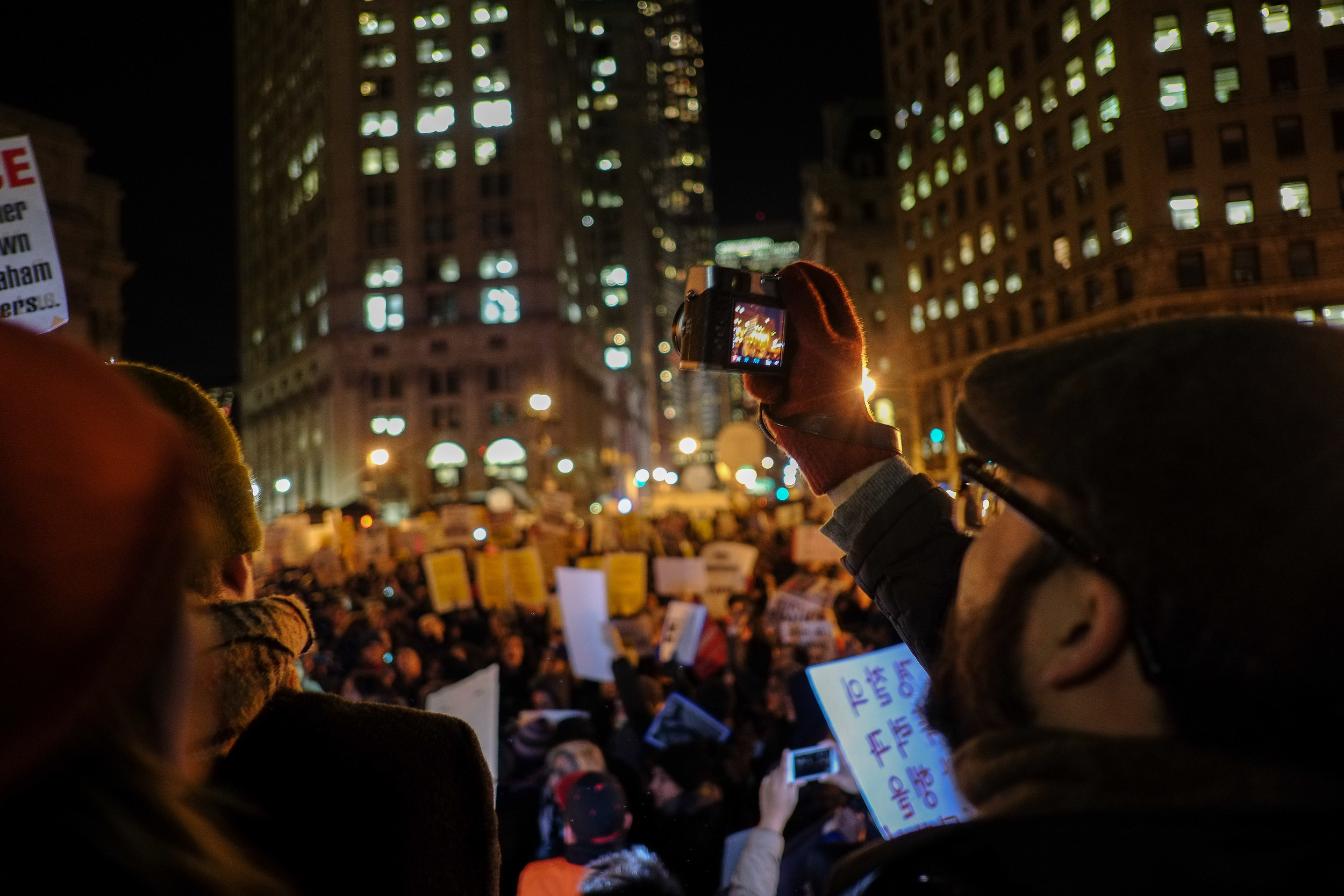
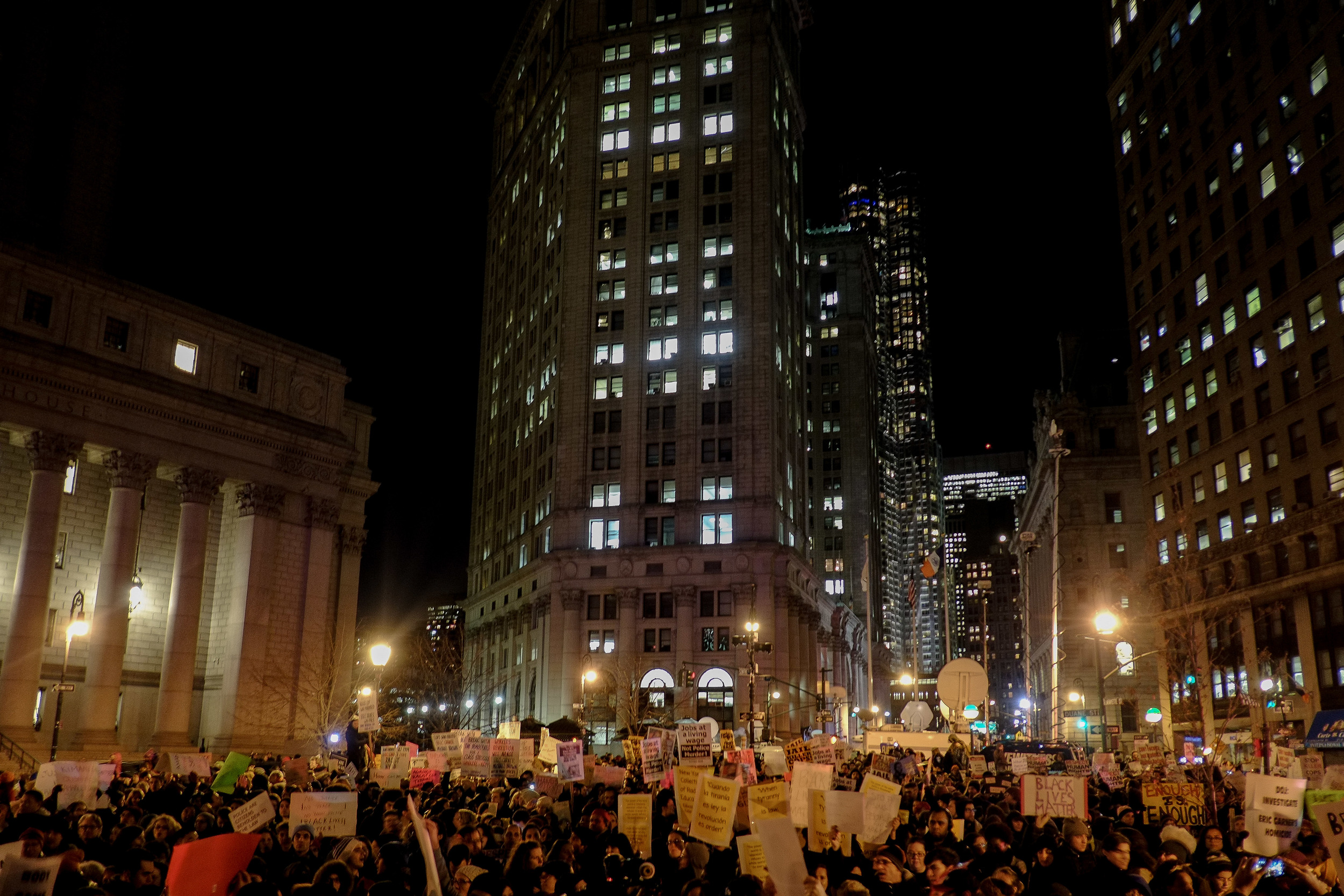
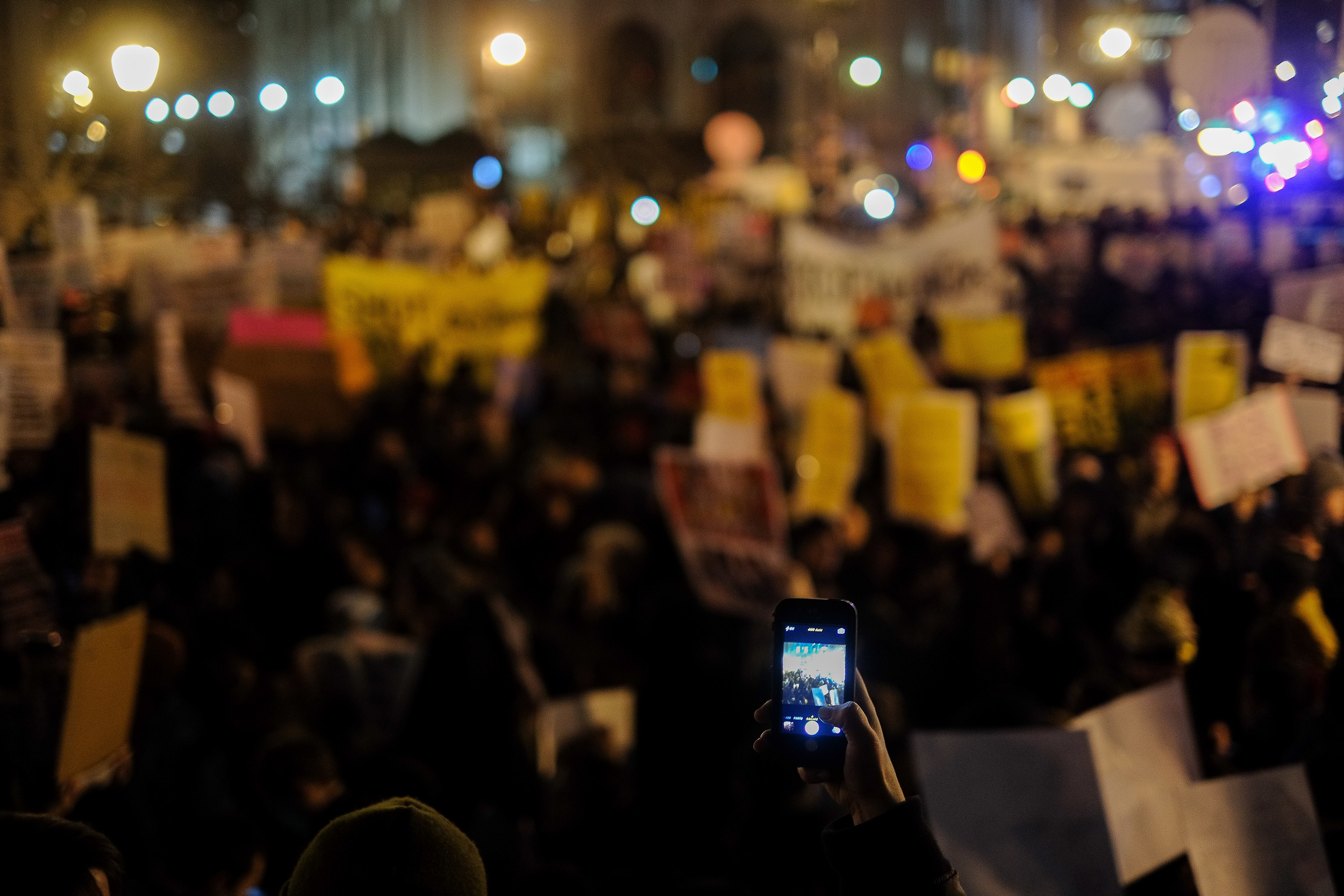
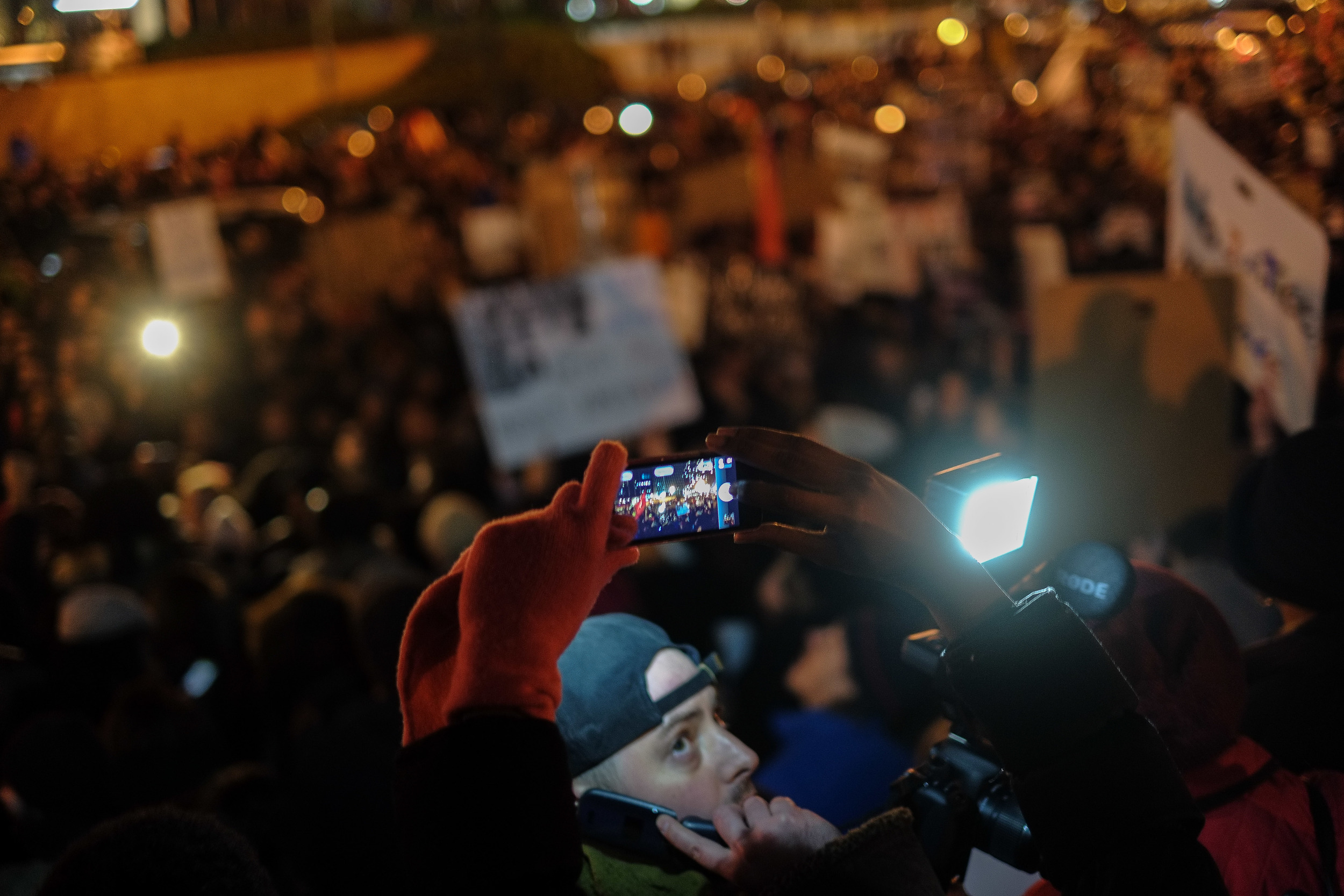
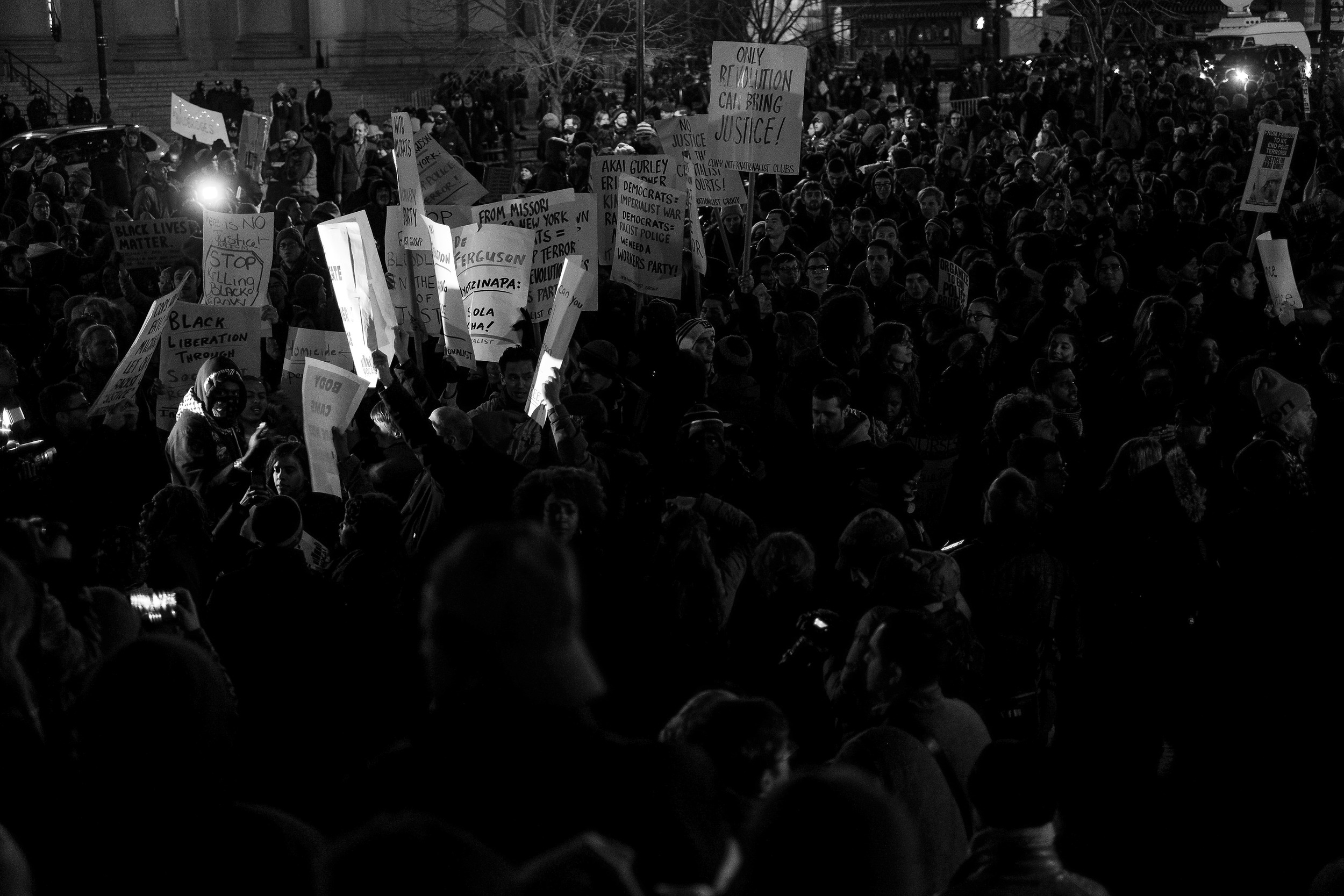
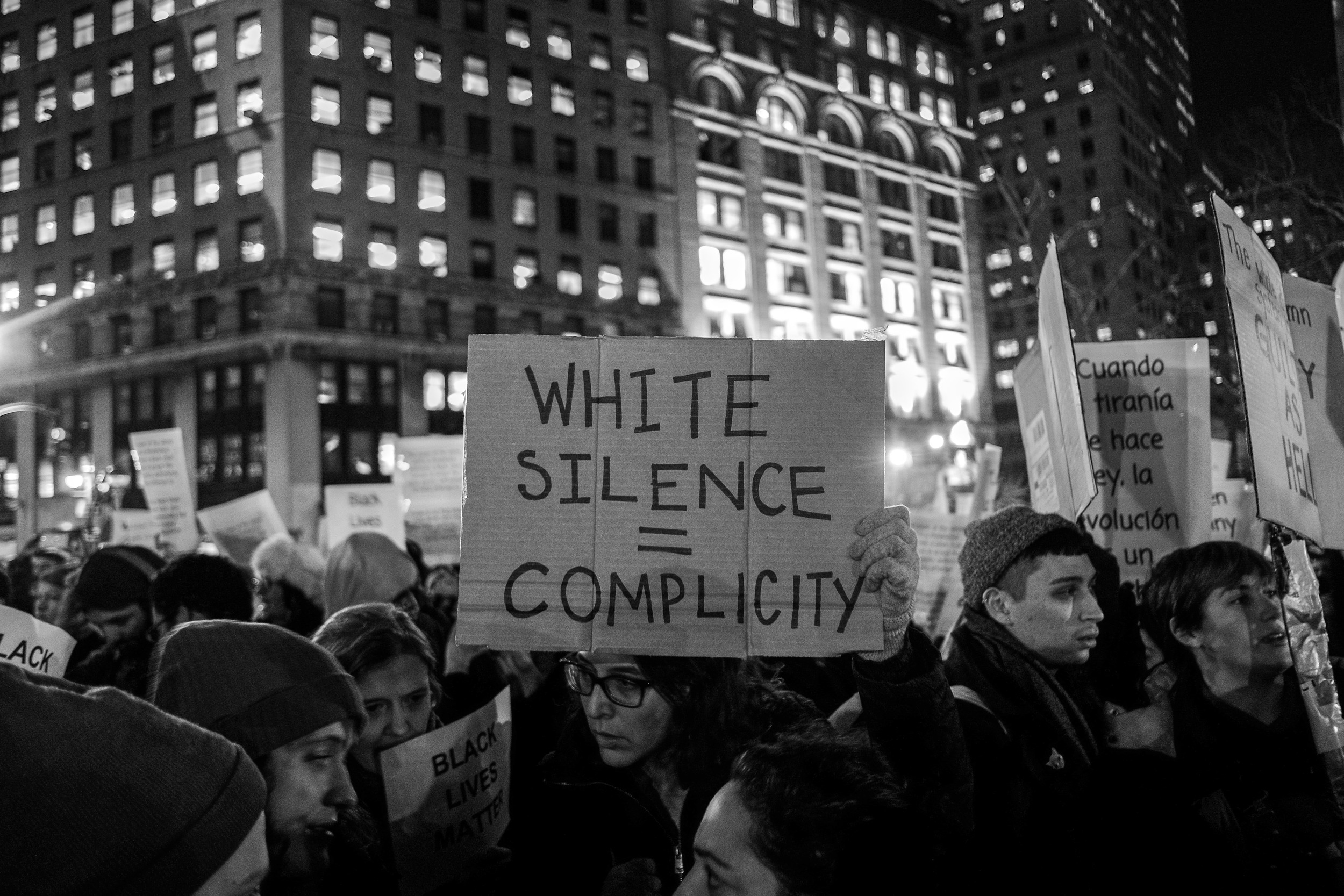
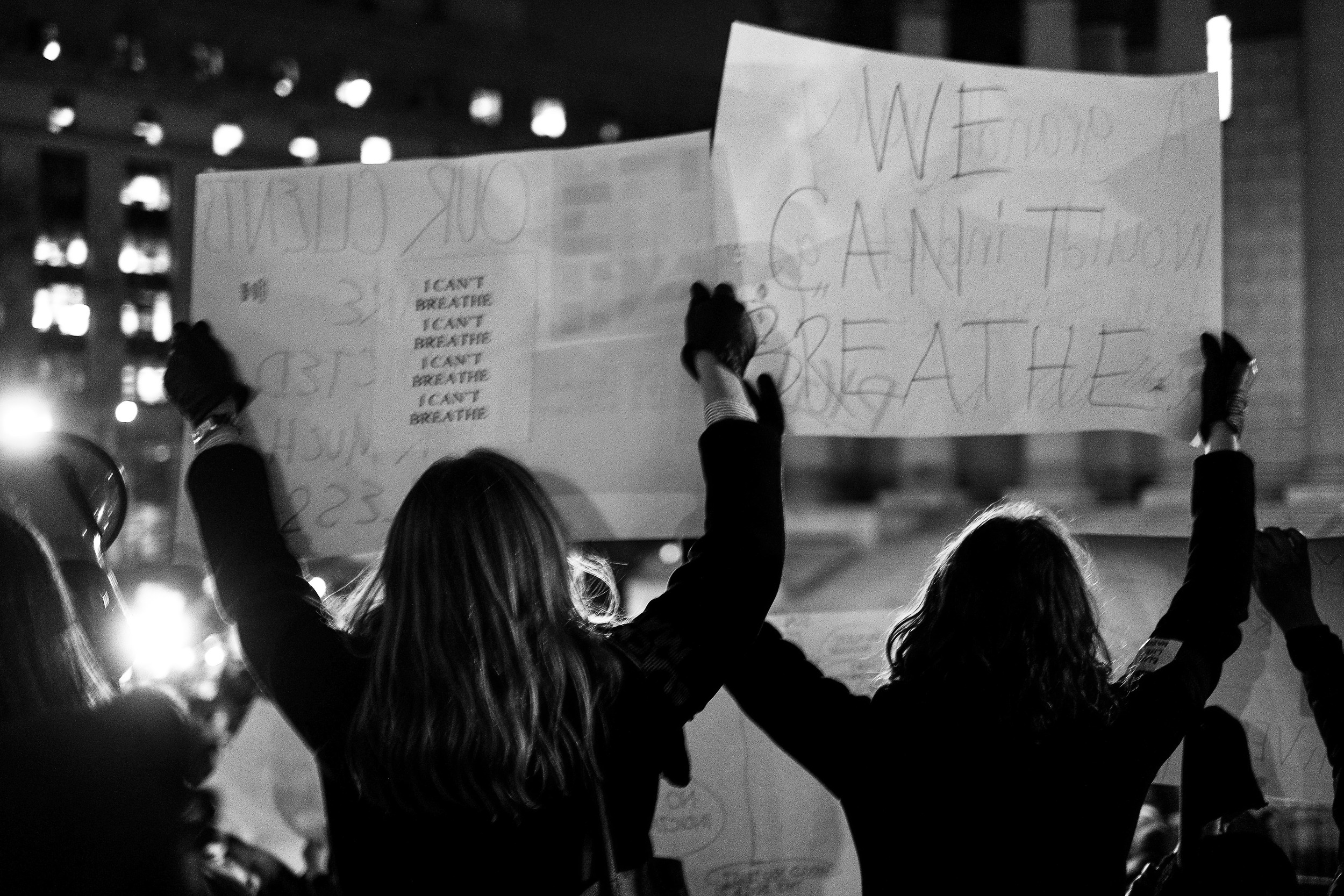
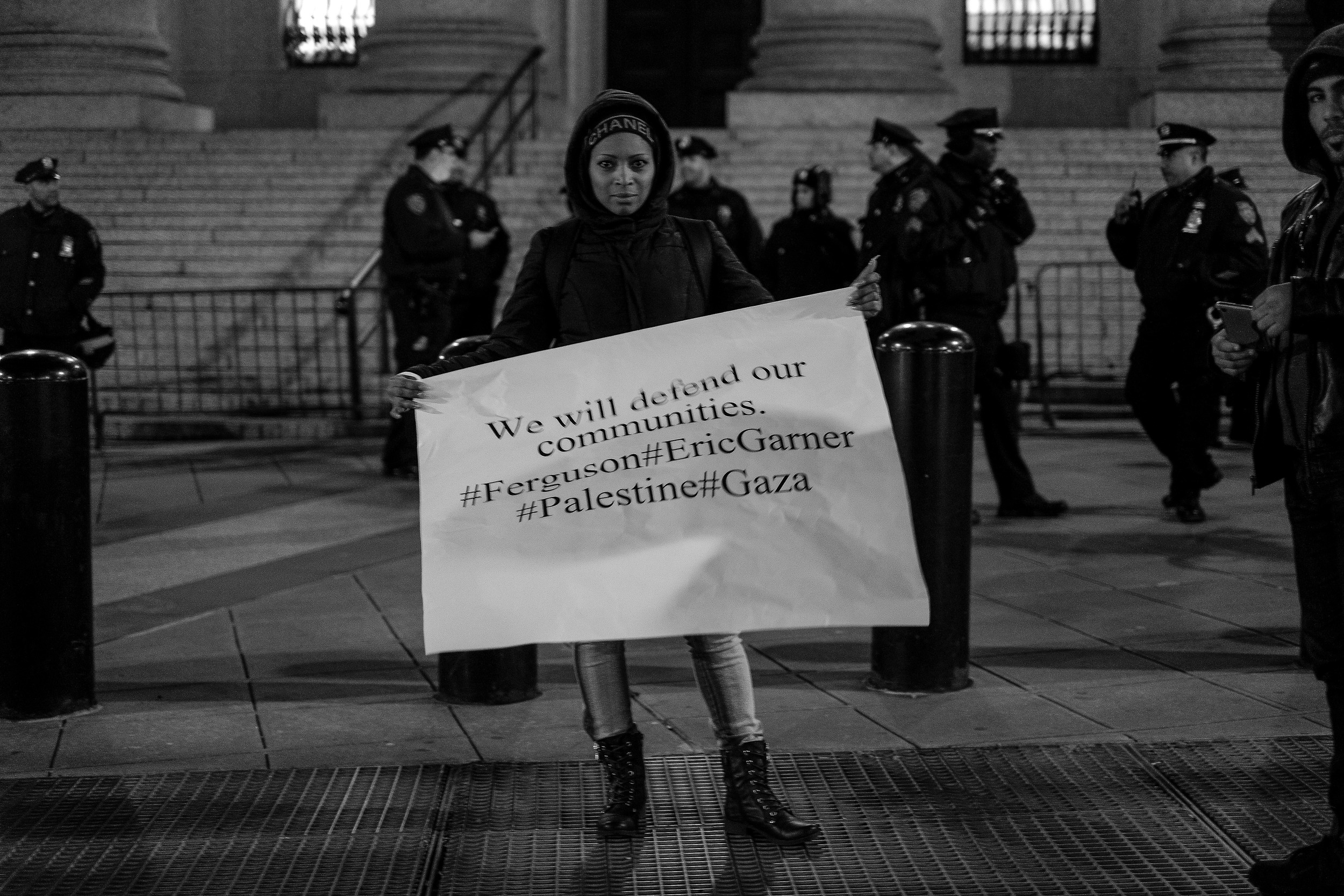
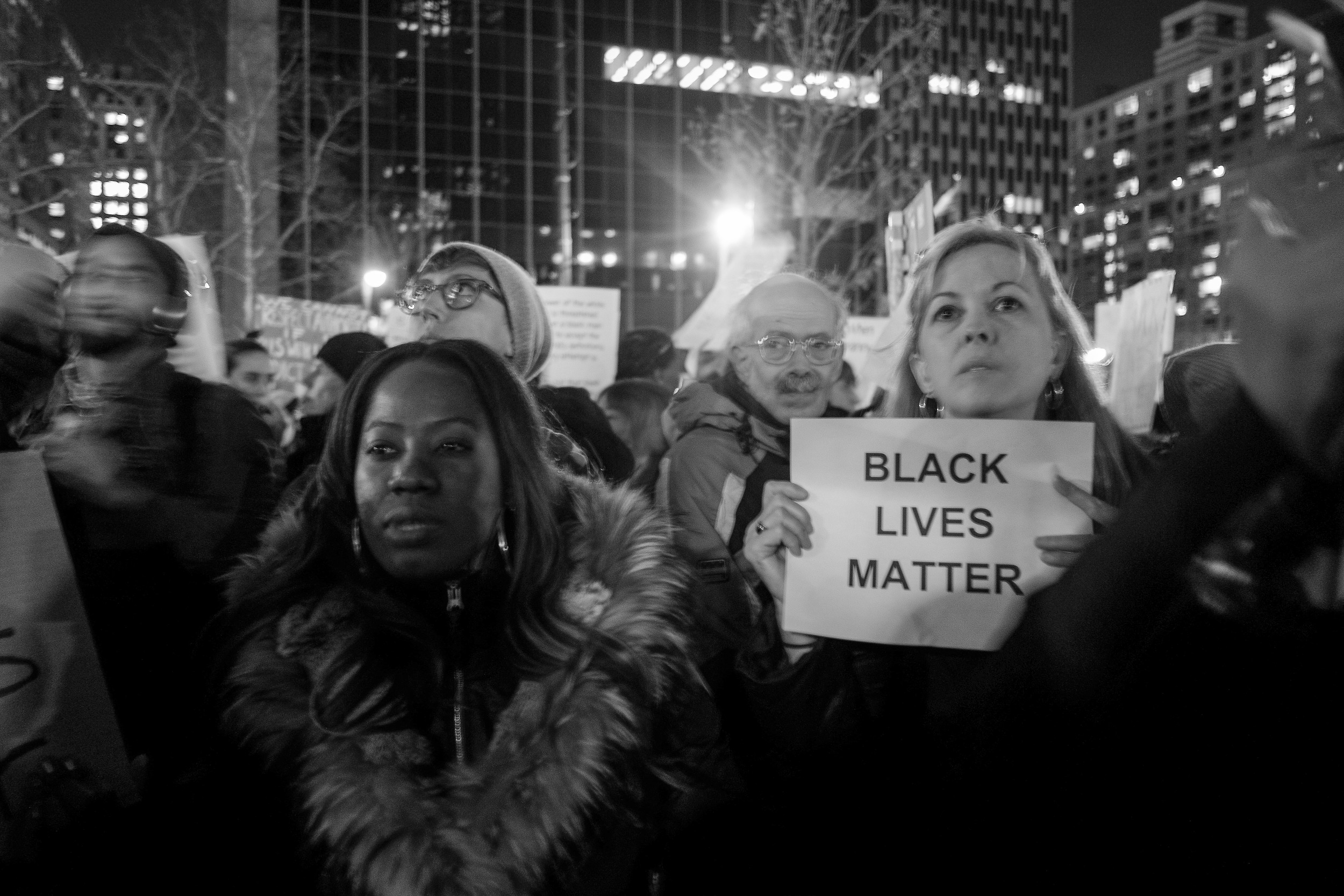
Whose Streets: Our Streets

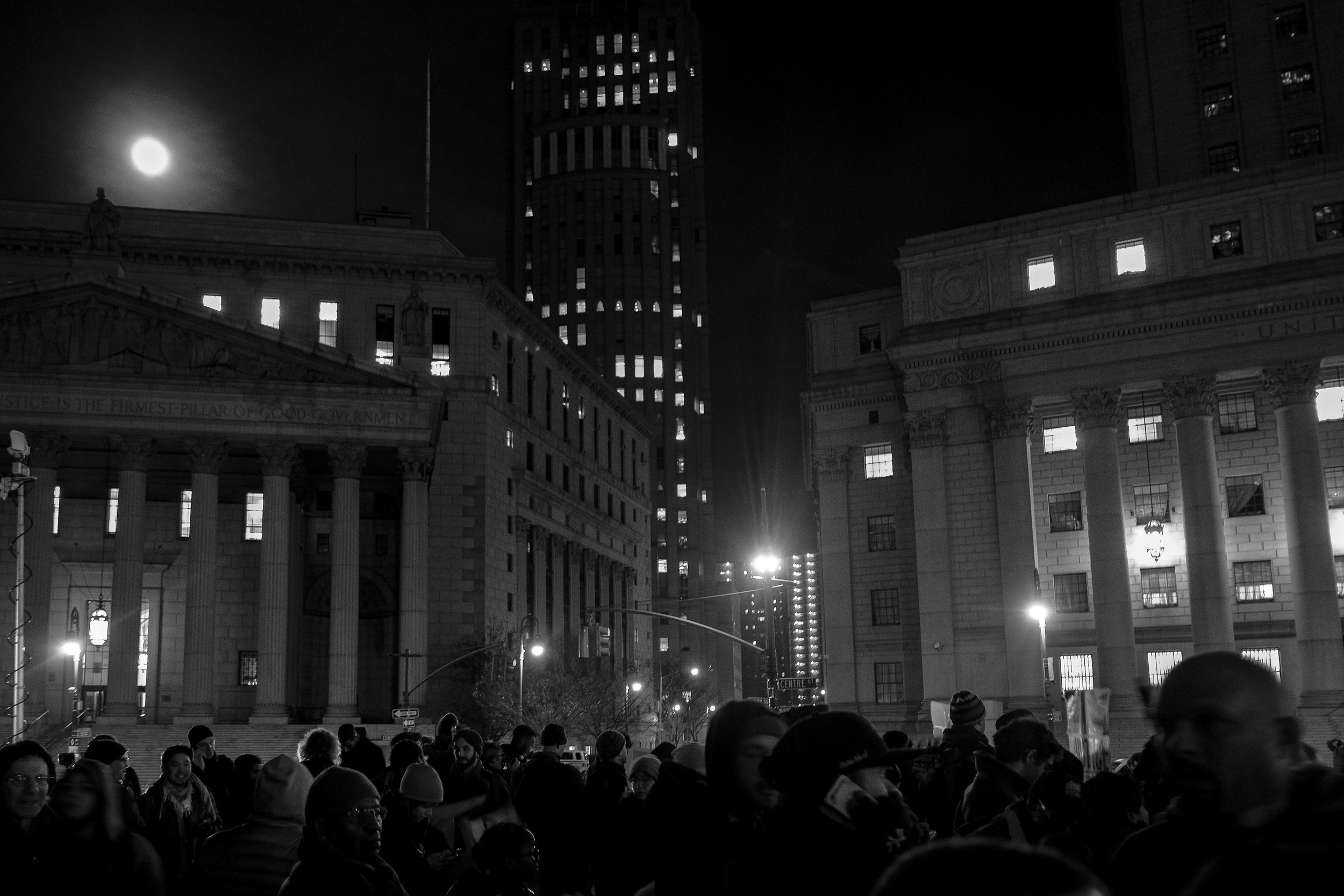
Foley Square, NYC * December 4, 2014 * Fuji X-E1

When the grand jury failed to indict NYPD officer Daniel Pantaleo for Eric Garner’s death, I thought somehow, somewhere along my legal path I had missed something. For a long moment, I navigated the crevices of my brain—my criminal law classes, my legal internships, my experience gathering and analysing evidence on President Uhuru Kenyatta’s defense team before the International Criminal Court—for an element or a legal rule I had overlooked that would justify the Staten Island grand jury’s outcome. As the newly minted lawyer, I fleetingly thought I must be the one at fault because how could the well-greased system fail so damn miserably.

In my constitutional law class, we often debated about whether the legislative or judicial branch of government had the final say in our exquisitely engineered checks-and-balances system. Unwaveringly, I argued on the side of the judiciary. It’s impartial and it can rule legislation unconstitutional—it rightfully holds the trump card. In the wise words of Arthur Weasley from Harry Potter: Order of the Phoenix, “Truth will out!” (and indeed, Harry is subsequently acquitted of bogus charges by a special tribunal, despite it being controlled predominantly by the Dark Lord’s poppets). I have spent years studying for the LSAT, six semesters of final exams and the Bar exam to stand behind lady justice with my fist held high as her faithful soldier.

And yet, on December 3, 2014, the day the grand jury announced its landmark decision in the death of Eric Garner, the same day I was sworn into the New York Bar, I was perturbed and humbled by the brokenness of our justice system—as if I were seeing an aging parent as mortal for the first time.

I am not so naively wide-eyed as to think that my system of justice is infallible. But I did have faith that, ultimately, the truth will out. That a district attorney in possession of such platinum video evidence and witnesses could easily make a convincing case to meet the significantly low burden placed upon him for an indictment. That racial politics could not triumph in such a slam-dunk case to combat police brutality.

In college, I found my voice demonstrating in the streets for social justice and against U.S. involvement in Iraq. I pursued a law degree because yelling and marching were never loud enough for me to make an impact. Since December 3rd, I have returned to the streets because having a voice in the justice system is not sufficient either. In solidarity with my angered peers, I lean on the unofficial fourth branch of government that has the final say: collective civil society. 

Meet me in Greece

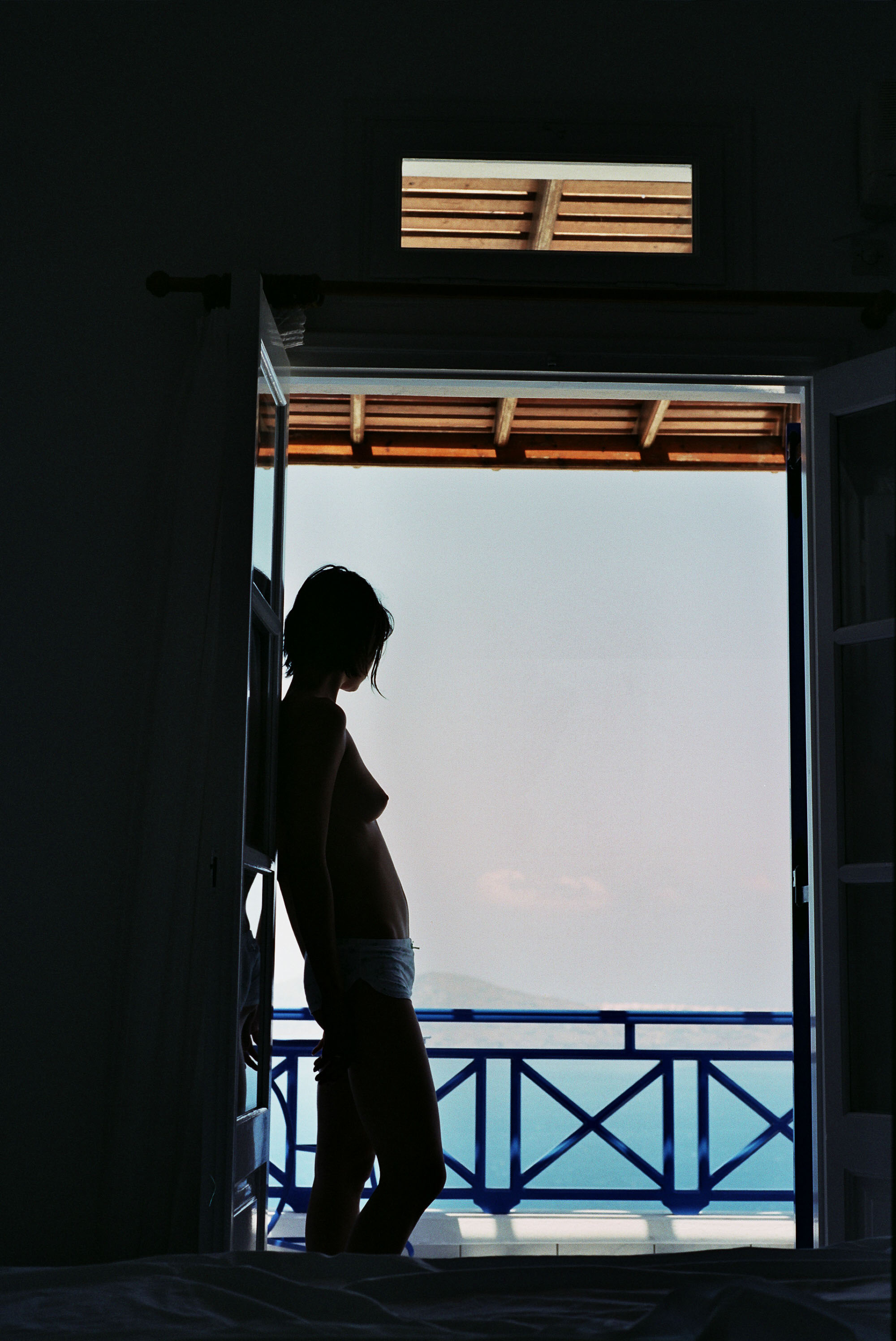
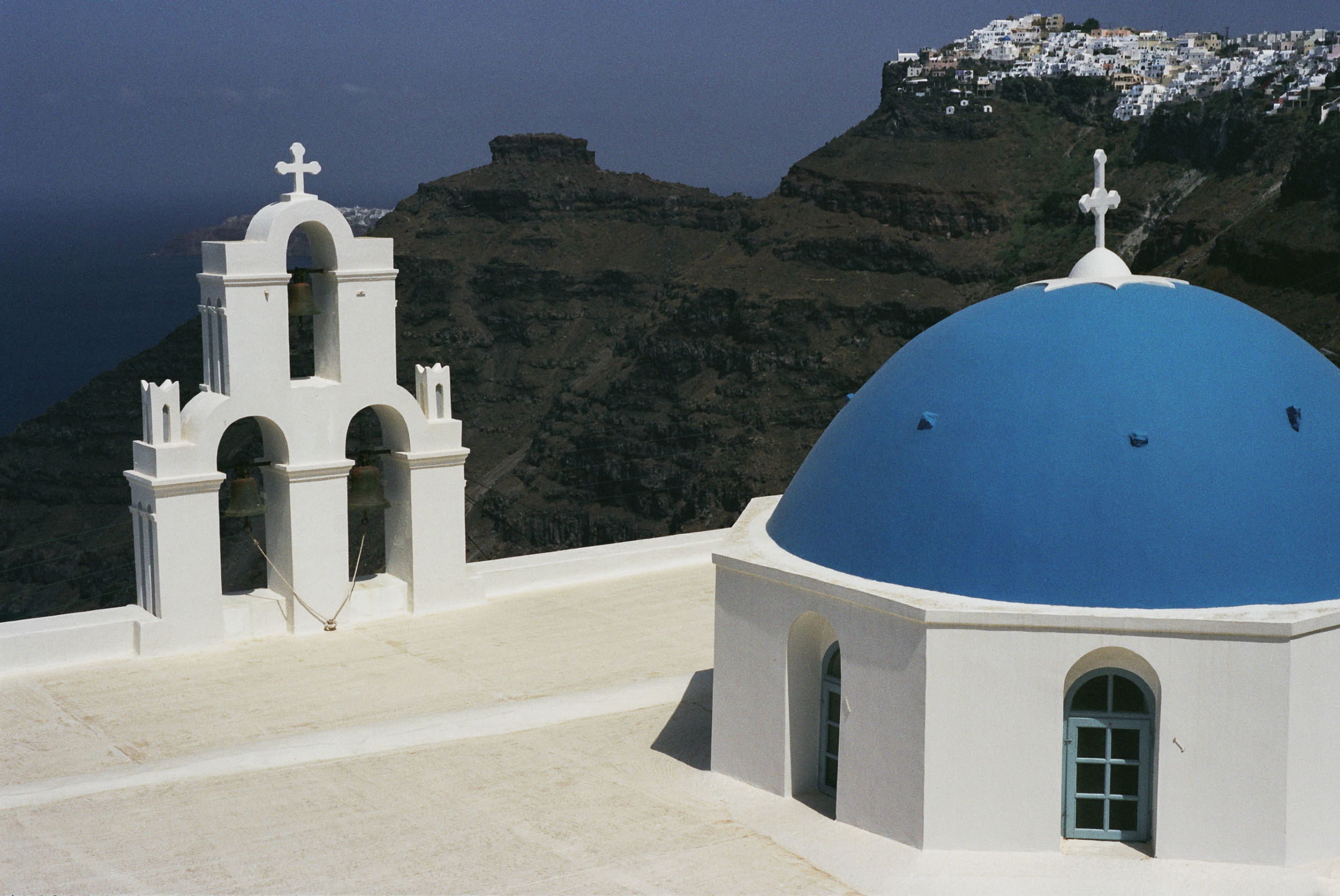
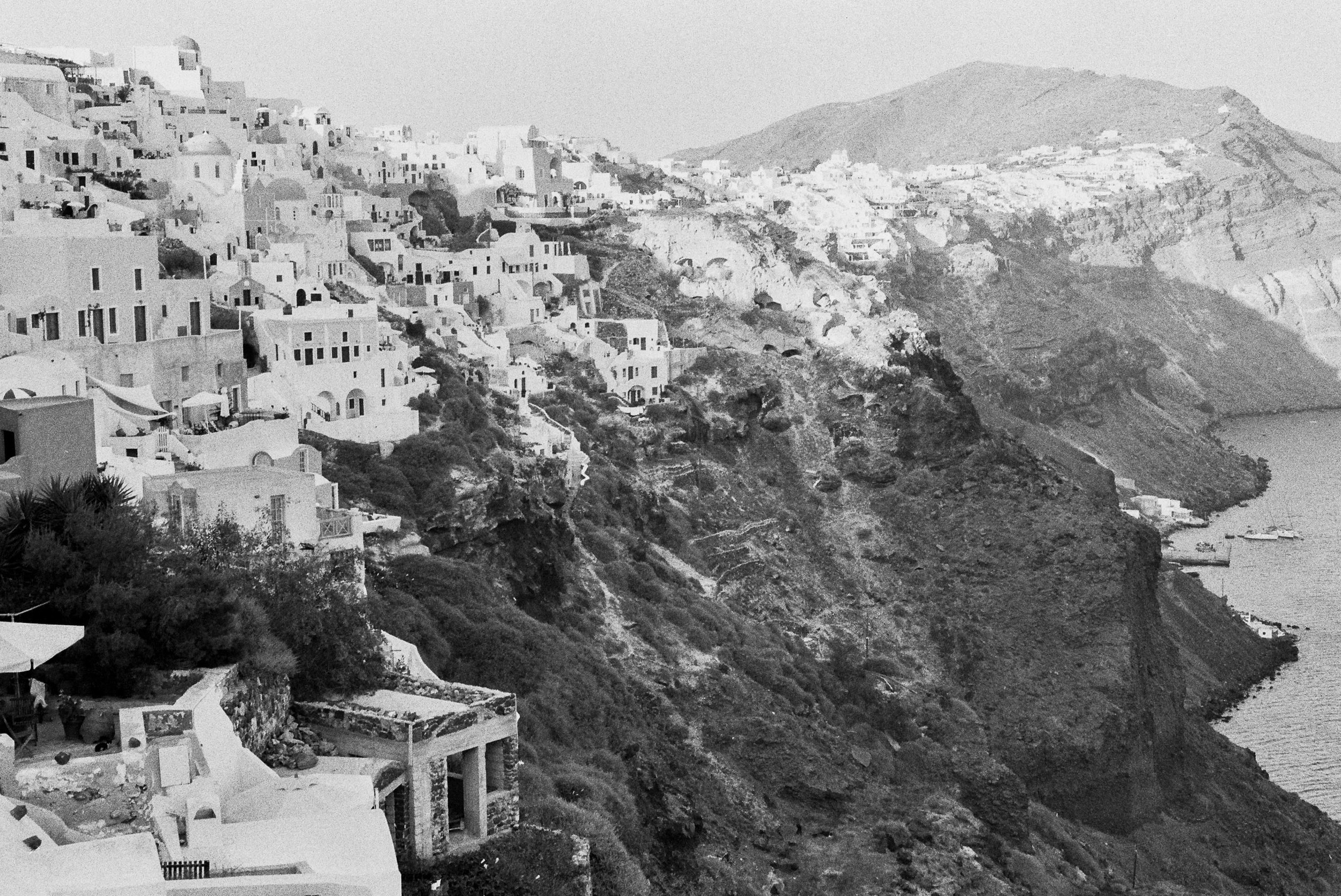
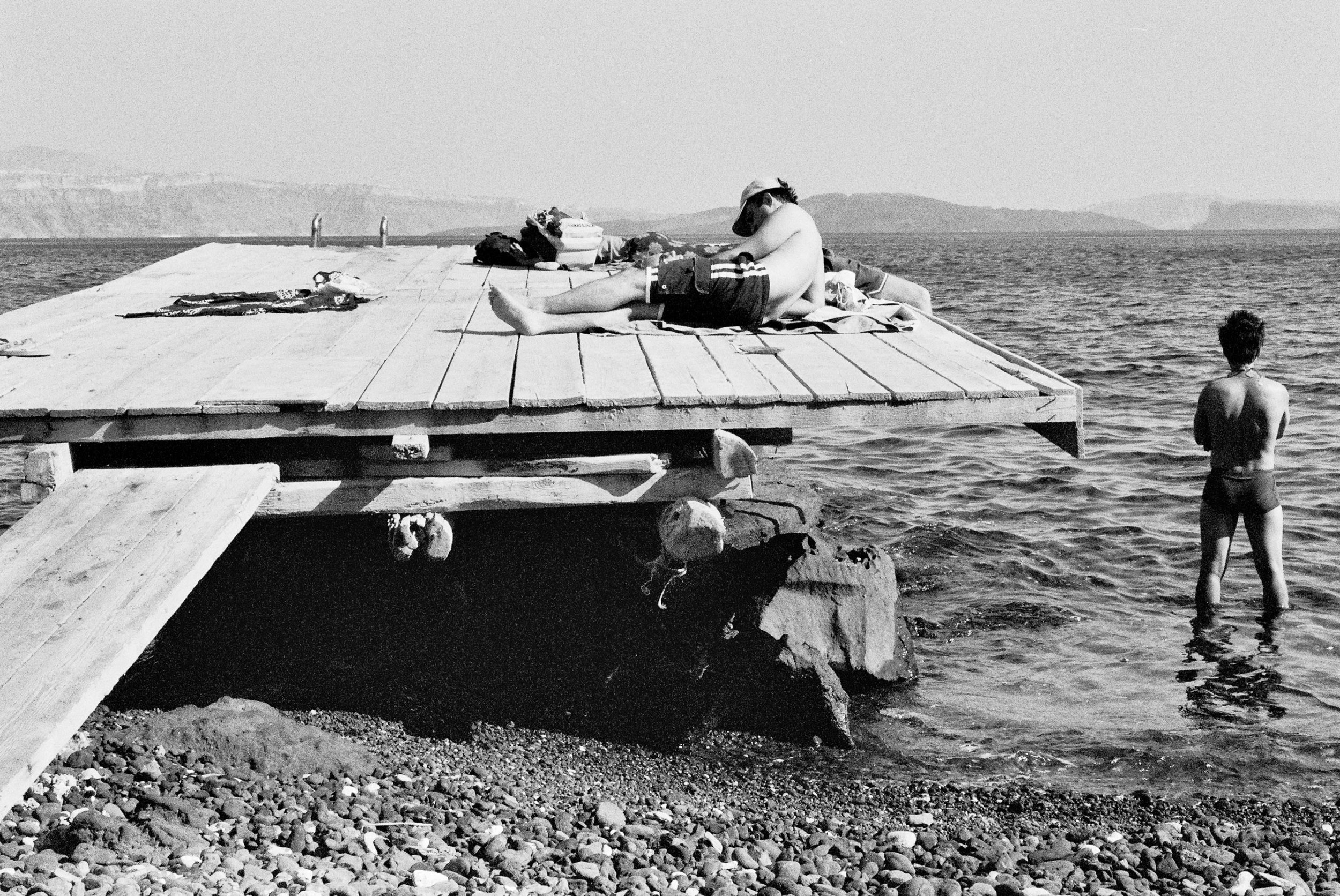
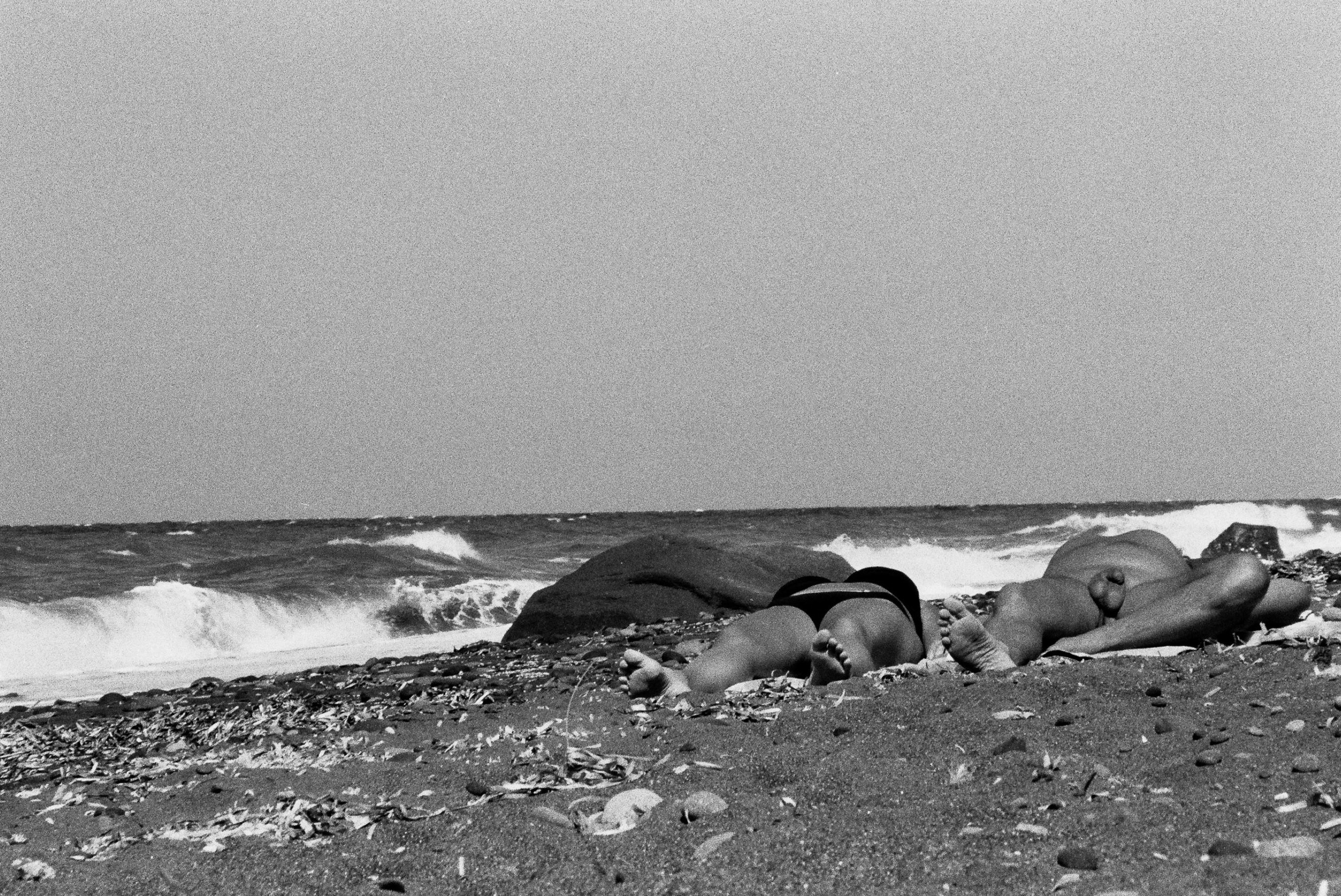
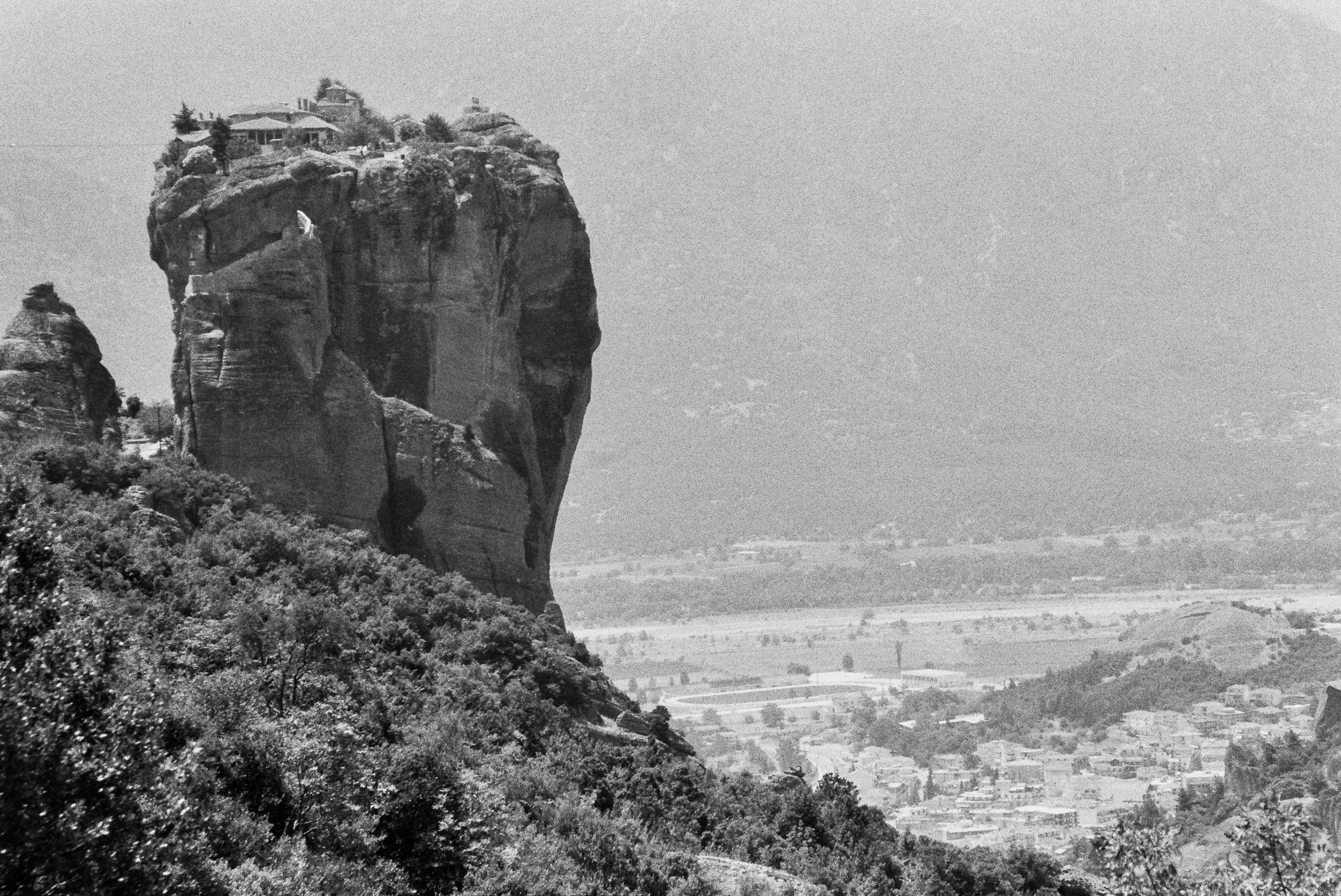
Greece * Summer 2006 * 35mm


I was 21.

Freshly graduated from university.

Terrified and anxious to catapult into adulthood.

Preferred to dwell in existential angst.

Fascinated by everywhere I hadn’t been.

Felt entitled, actually, to these undiscovered places.

So I delayed my launch a bit longer.

And went to the most beautiful place I could think of.

It would be nice to be surrounded by beauty, I thought.

I can still taste the octopus. The yogurt with honey and walnuts.


I documented my Grecian odyssey with my mother’s Olympus camera.

Due to laziness or financial prudence or both, I never developed the film.

8 years and 6 NYC apartments later, I discovered the rolls of film from my Mediterranean meditation. 


Armed with Homer’s Iliad and a lonely planet guide, I journeyed.

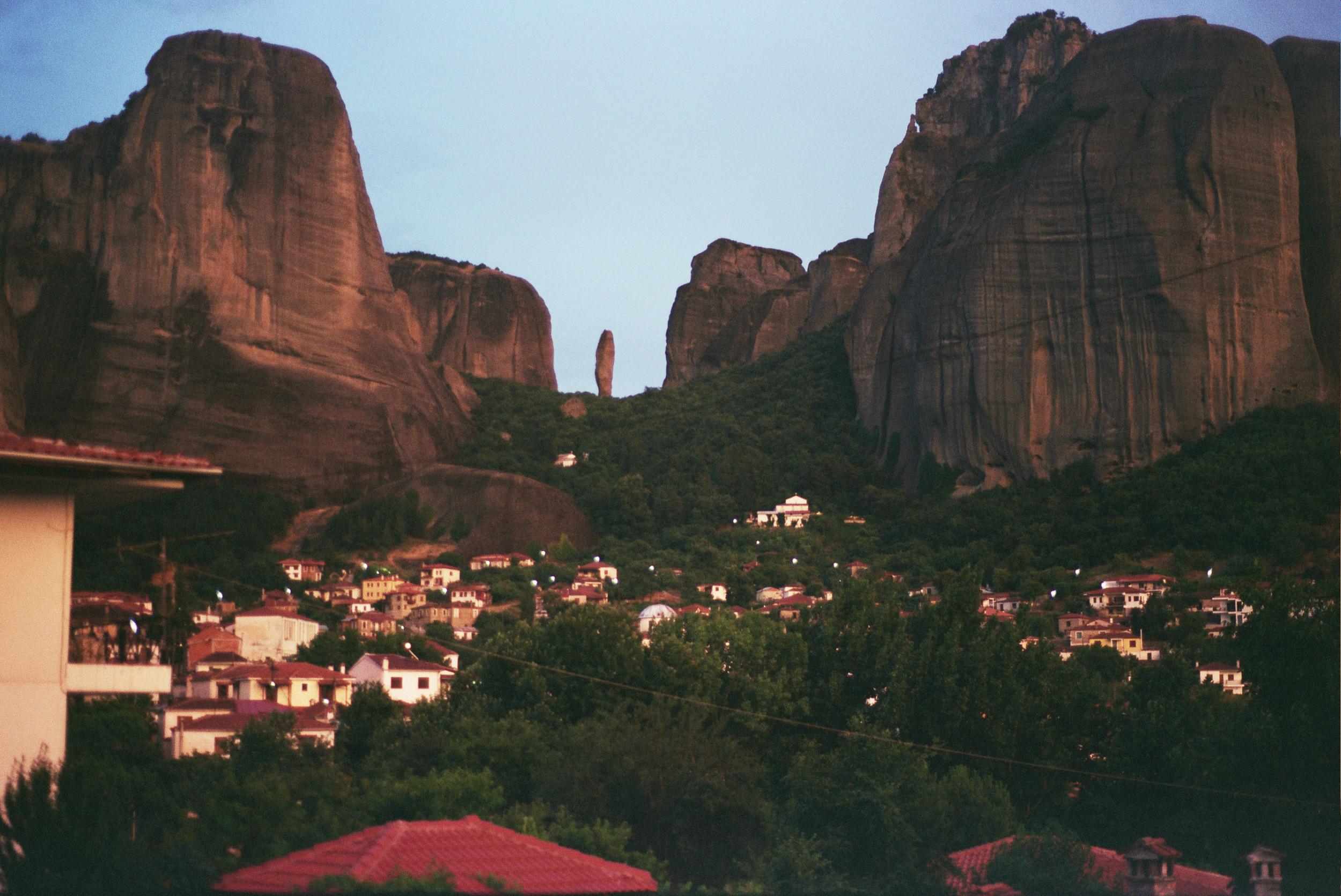
To the monasteries of Meteora.

Pink sand beaches. Strawberry-Yahoo-drink-hued beaches.

Overnight ferries. Catamarans in hurricanes.

Inns once mansions of sea captains, who smoked tobacco out of pipes and had white beards, I imagined.

I befriended a sage named Carmella, who crafted jewelry and ceramics. Adorned feathers from her ears.

And owned the chicest shop in Crete.

I promised to return one day so she could teach me all that she knew.

I hunted every single beach--on foot, on quads, on boats--on each island I visited. 

Swam to the farthest cove I could manage. To giggle in solitude.

I can still taste the octopus. 

119 Desaparecidos

Santiago, Chile * July 2005 * 35mm

In honor of International Day of the Disappeared on Saturday, August 30, I dug up negatives from my adventures in Chile. Invigorated and determined to stay in Santiago for as long as possible after my spring semester abroad in 2005, I landed a summer internship at a Chilean human rights organization, founded during the military dictatorship in 1980 (http://www.codepu.cl/).

CODEPU continues to fight against impunity, including spreading awareness of victims who were forcibly disappeared by the military government under Pinochet. These photographs were taken during the annual demonstration against "Operación Colombo"--the name of an operation to cover up the disappearance of 119 opponents to the military regime in 1974-1975, most of whom were students, blue-collar workers and artists.

In July 2005, thousands marched through the streets of Santiago toward La Moneda presidential palace, carrying life-sized figures of the 119 individuals, and demanding justice and truth about the circumstances of their vanishing. As a bright-eyed university student, I enthusiastically documented this emotional but inspiring event that symbolized the truly enduring effects of political persecution and impunity.  

To date, family members and loved ones of the 119 victims have no idea as to the fate of these desparecidos.